
Every three years, Düsseldorf, Germany, becomes the center of the retail universe. This year, the retail trade fair, EuroShop 2026, brought together 14 exhibition halls of more than 1,800 exhibitors, featuring voices from retailers, architects, and tech experts showcasing their take on where retail is headed. Talks spanned innovation, technology, design, and the general future of retail.
But this year, one conversation kept surfacing that is emerging as the new growth driver for e-commerce—human-led connection.
Among the top takeaways from EuroShop 2026, the “loneliness economy” was a topic discussed that’s been reshaping how the smartest brands are thinking about improving the in-store experience. This new retail driver is no doubt a direct symptom of the loneliness epidemic, which affects 24-30% of young Americans who feel lonely.
Even as social media appears to dominate culture, and AI can streamline the shopping experience, what shoppers are really hungry for is connection—particularly, physical places where these authentic connections can organically develop and resonate long after the encounter.
And because of it, a major “soft-sell” economic opportunity emerges.
What is the loneliness economy?
As opposed to the aggressive “hard-sell” strategy for products, services, and experiences, the “loneliness economy” embraces a “gentle-selling” approach driven by the human need for connection. It’s a direct response to the widespread epidemic of social isolation, where people are hungry for interaction and engagement in meaningful ways.
And as we watch this loneliness economy grow, it’s the companies with a 'design-forward' mindset that are catching our eye most as they work to ‘solve’ for their audiences by 'designing brand experiences'.
High-end cycling brand Rapha, highlighted at EuroShop 2026, delivered a solution for that human need with its paid membership, the Rapha Cycling Club.
Launched in 2007, the Rapha Cycling Club brings people together both physically and virtually by leaning into genuine social connection. The brand also has 22 Clubhouses that serve as physical community hubs where you can enjoy coffee, check out their cycling gear, and interact with expert staff. These Clubhouses also act as a pivotal space for the cycling club, hosting lead rides and community events.
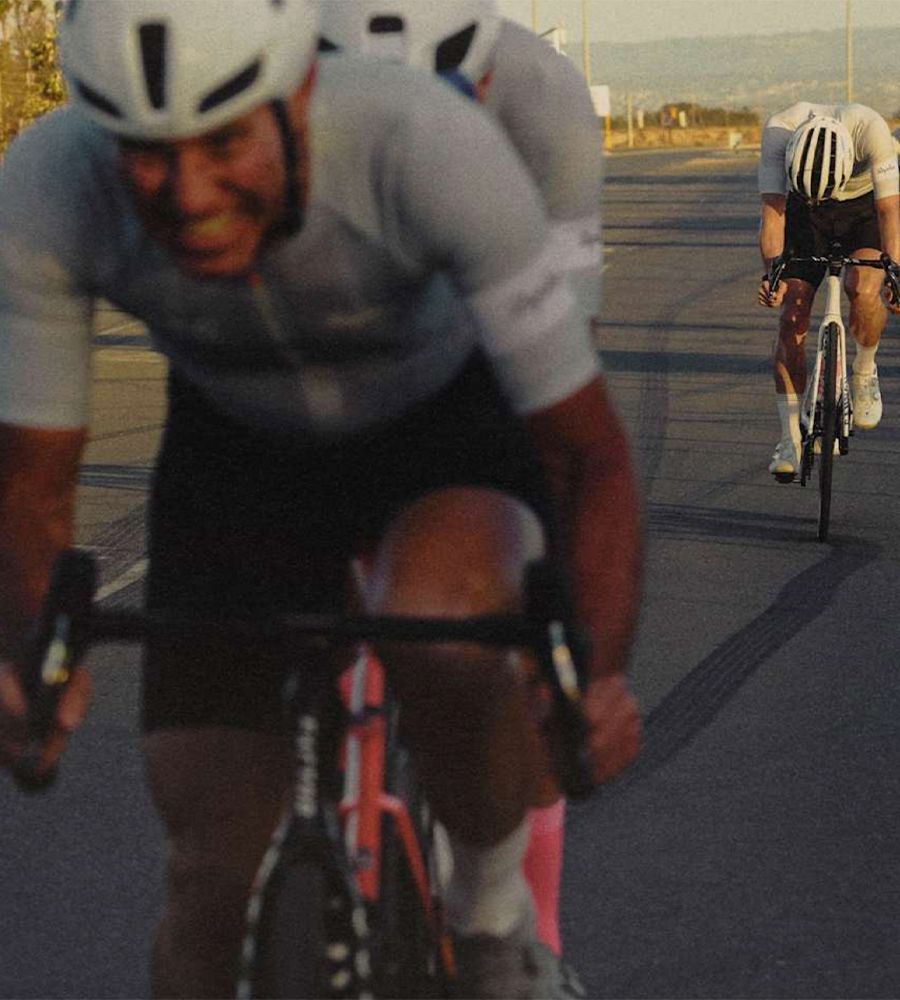
What we’re seeing is a huge push for analog and a push to be present, with physical spaces being more important than ever.
While on a retail tour during our downtime from EuroShop, one brand stood out for its masterclass in building a design-forward brand experience.
In London, Vans’ West-End location went big on this idea by transforming its retail space into a functioning skate park. This shopfitting example was driven by a strategy around what youth culture is looking for, in both product and experience.
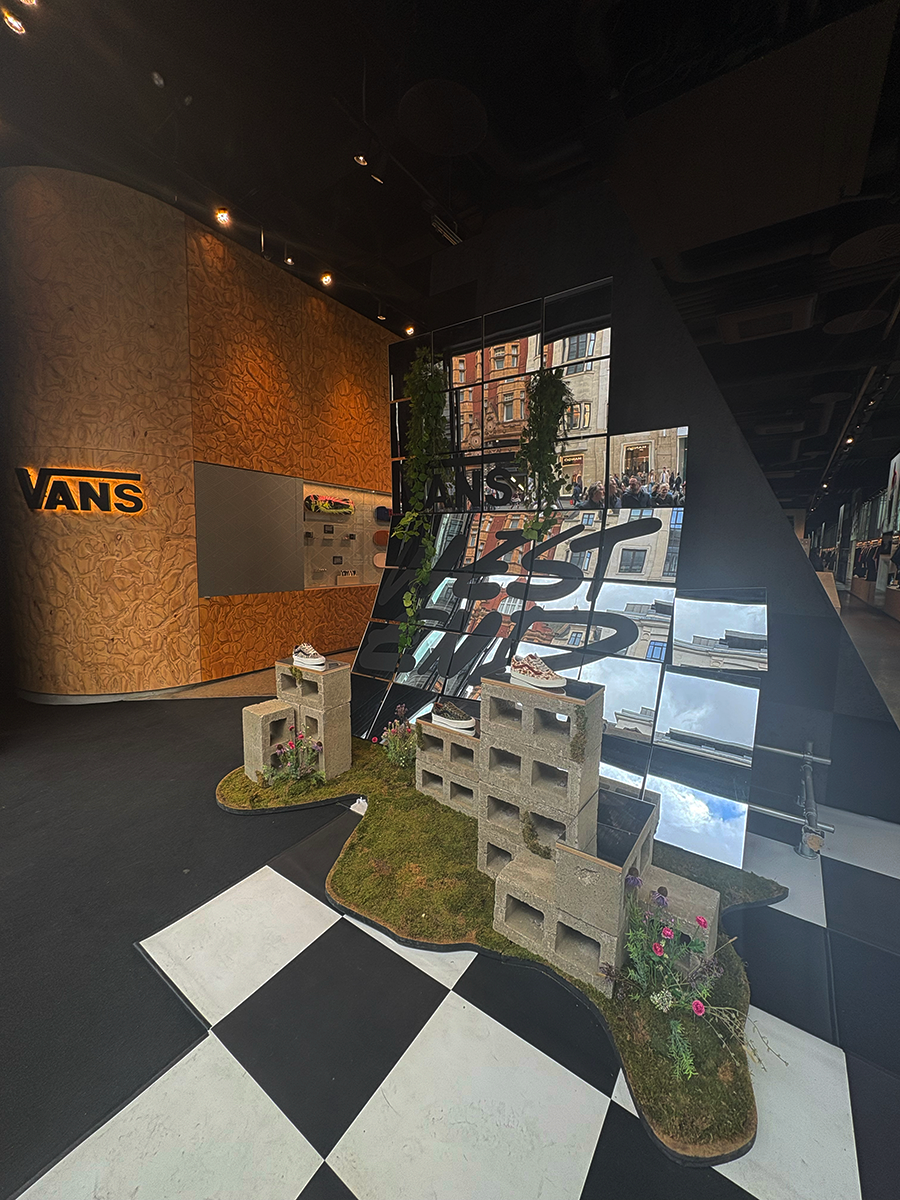
The fixtures were cleverly designed as modular pieces tailored to fit together to create a 200-square-meter travertine skate ramp, rails, and other skatable architecture, designed by the Milan-based architecture firm, Andrea Caputo Studio. The design was informed by brand skate ambassadors and is used for demos and community-building around skate culture.
More than ever, as we've covered previously, Third Spaces and Fourth Spaces are trending. And this blend of retail and hospitality continues to emerge with brands putting their own spin on the concept to offer even more opportunities for human-led connection.
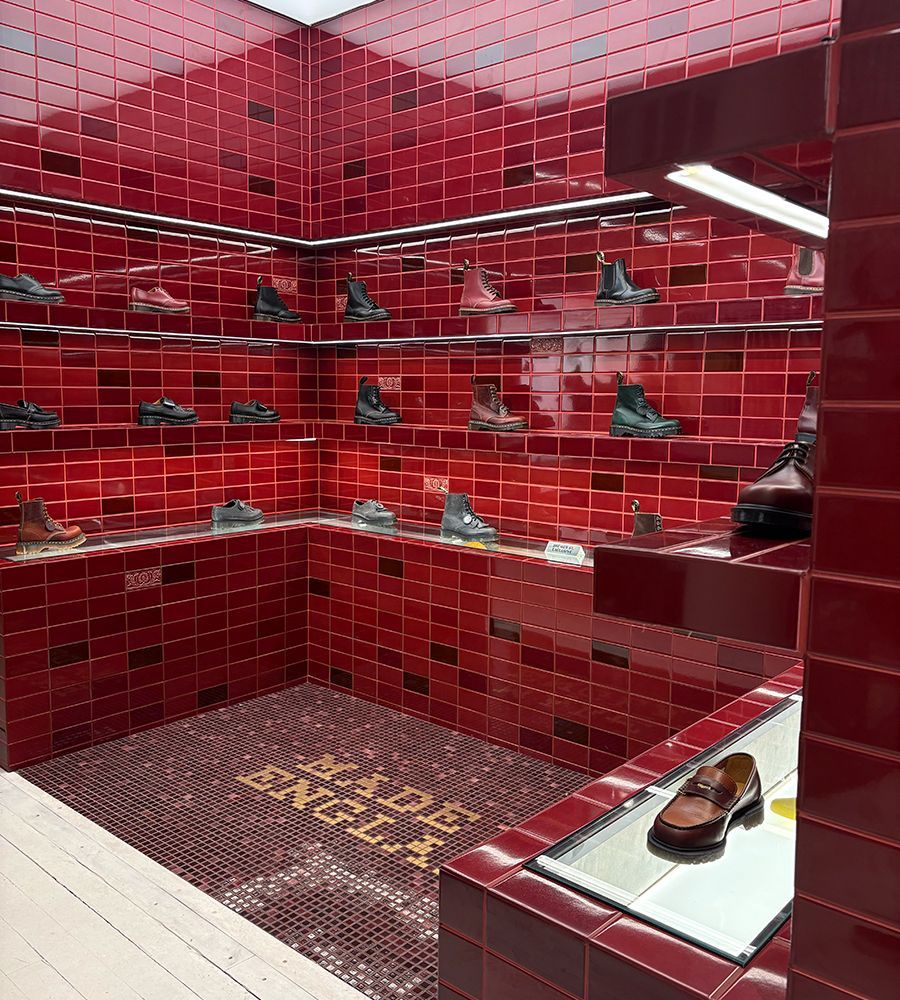
“Dr. Martens reimagined their flagship store in London, creating a space for community, craft, and culture. The space was designed to host artist pop-ups and events that speak to their consumers' values, including topics on art, sustainability, and even craft coffee. Store fixturing is designed with their core values in mind, pulling found objects and materials together to create sustainable fixturing. They offer repairs and customization on-site for old and new products. Upstairs, they partner with local coffee roasters and bakeries to create a cafe that offers a quiet respite off the busy Soho streets. A small library in the cafe invites you to sit and stay, encouraging connection to the space.”
So how big of an opportunity does the loneliness economy have for brands?
Human Connection & Loyalty—The Rise of the Most Sought-After Commodities in Retail
As automation becomes the standard, like the use of AI support chatbots, frictionless checkouts, and algorithm-driven product feeds, the human touch has become a rarer experience.
And as it goes, scarcity creates value, and a major opportunity for human connection emerges.
Even more, emotional connection is what turns a shopper into a loyalist, and the brands that are already running with this are using two core strategies:
- Events are on the rise, leveraging belonging more than social media or digital marketing. It raises emotions and builds loyalty. Shoppers feel a sense of belonging with the community, not just brands and a logo.
- Co-creation is today’s big opportunity, which encourages brands to think critically about what shoppers are interested in and provide products and services they actually want. The goal here is to spark authentic engagement, not simply push products on shoppers.
How In-Store Retail Is the Heart of the Human Retail Experience
However, even with the rise of these high-value strategies, retailers cannot ignore how the physical store has always held a social resonance with shoppers—and now more than ever, an emotional one too.
This is where the opportunity of the loneliness economy and the future of retail fully converge, with emotion being the key driver.
Not only do in-person experiences cultivate brand loyalty through genuine human connection, but the brands winning today are building spaces that encourage discovery, dwell time, and a rare, unhurried energy that technologies have largely optimized away.
Some opportunities to rethink spaces surface from major life chapters, like welcoming a new baby and settling into the beautiful yet overwhelming reality of parenthood.
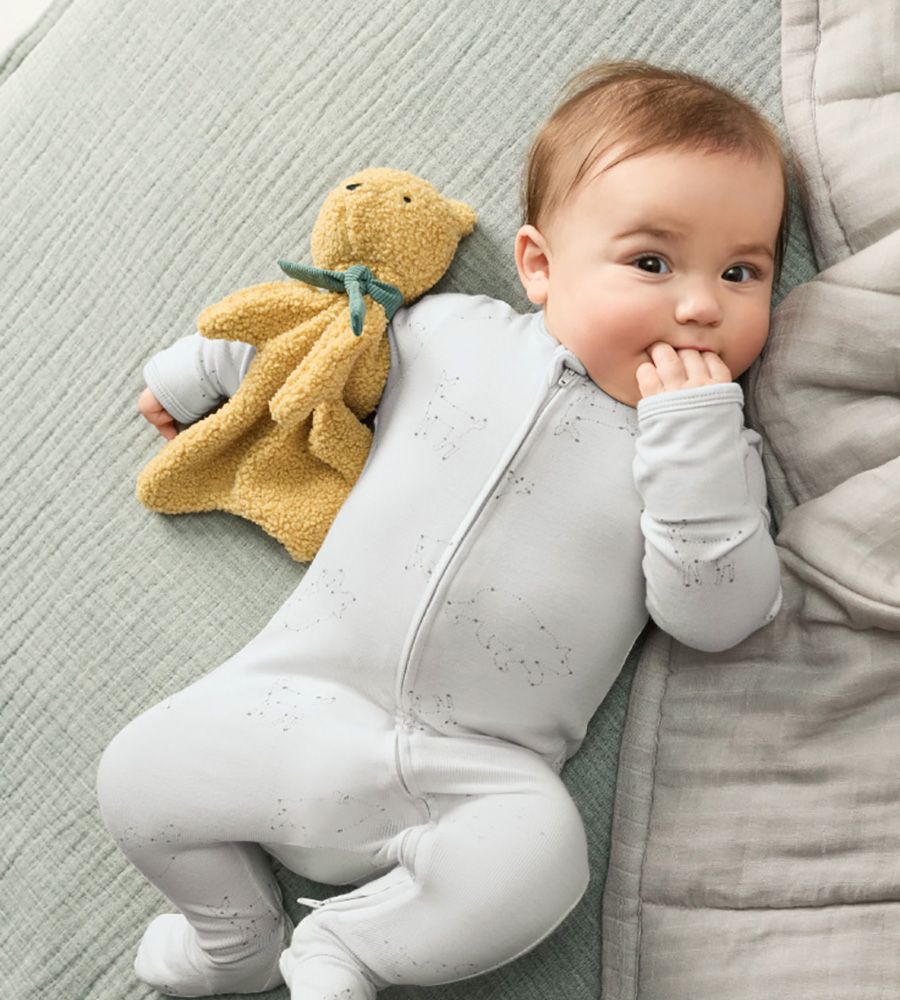
Lifestyle retailer Target solved this by evolving its baby section. Brand experience agency, KNOCK Inc. partnered with Target to build Baby Boutique—the in-store space dedicated to featuring premium brands guests actually ask for. And with new product cycling in every 6 weeks, there’s always something new and exciting to discover.
Is Human-Led Retail the Solution to the Loneliness Economy?
While we reflect on the big opportunity of the loneliness economy that EuropShop 2026 highlighted, in-store retail remains the way to win.
Instead of a problem to be solved, the loneliness economy is what’s challenging brands to rethink what their guests are truly seeking—human connection.
And as more brands continue to challenge what they’re designing through this lens, they’ll tap into the new luxury and opportunity to build something that truly lasts.