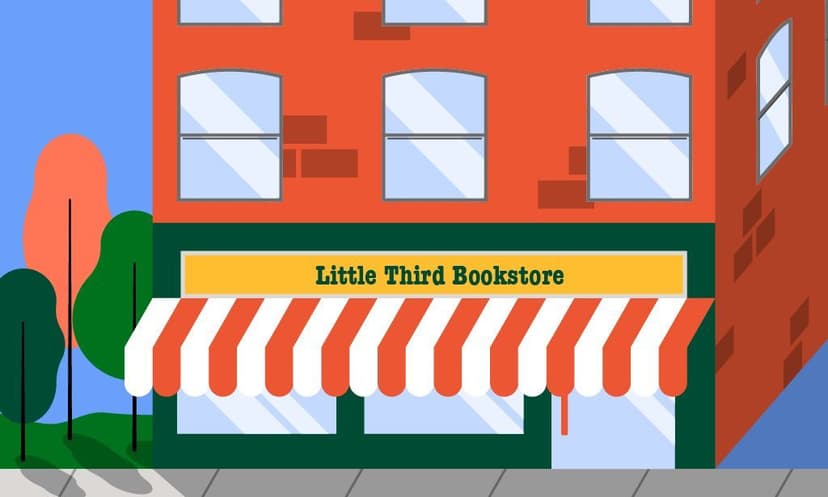
How is it that malls are suddenly making a comeback? And what makes coffee shops so appealing for remote workers and casual hangouts? It all boils down to the growing revival of third spaces—the places outside our homes (first spaces) and work or school (second spaces) where people can gather, connect, and discover.
As more people continue to seek out meaningful experiences offline, it’s community-driven spaces like stores, cafes, and local businesses that are answering that call. But are third spaces merely a trend?
We’re digging into what makes third spaces so important, why they’re resonating right, and how retail is evolving to meet this need that’s currently surging.
What Is a Third Space?
A third space is an environment where people can feel at home without actually being at home. It’s that “in-between” place where relaxation, social connection, and self-discovery can happen.
Places like:
- Coffee shops and tea houses
- Parks, plazas, and outdoor gathering areas
- Bookstores and libraries
- Gyms and fitness studios
- Malls and retail spaces designed for lingering
Who Came Up with Third Spaces?
Sociologist Ray Oldenburg first popularized the idea of “third spaces.” in his 1989 book The Great Good Place, where he described these spaces as essential places to gather outside our homes and workplaces.
Why Did Ray Oldenburg Consider
Third Spaces Essential?
Ray Oldenburg believed these third spaces helped to nurture community, democracy, and everyday connection—offering neutral and welcoming places where people could gather, foster relationships, and feel a sense of belonging outside the pressures of work or home.
Then vs Now: The Original Third Spaces.
Back when the concept of third spaces first emerged, they centered around community-made hubs like cafes and libraries.
How Have Third Spaces Evolved?
Today, they’ve evolved beyond retail and lifestyle spaces to blend shopping, connection, and discovery — all rooted in the human craving for a much-needed balance from digital fatigue.
As an alternative to the pressures of always being online, these spaces can offer a sense of grounding — of authentic experiences — and help ease a growing feeling of loneliness that digital overwhelm can bring.
Particularly, two generations continue to fuel the evolution of third spaces — Gen Z and Millennials.
Why Are Third Spaces Appealing to Gen Z and Millennials?
1. They Provide a Digital Detox
Constant connectivity leaves little room to breathe. Third spaces give people a way to go offline and experience a world that feels grounded, curated, and calm.
2. They Spark Real-Life Discovery
Social feeds can often feel repetitive. So for a refreshing change of scenery, third spaces encourage serendipitous discovery. Whether it’s finding a hidden local shop, unique cafe, or an unexpected event, this experience sparks an authentic, in-person thrill that feels special — a feeling algorithms can’t replicate.
3. They Foster Human Connection
With loneliness on the rise, third spaces offer opportunities for face-to-face interaction. Whether it’s chatting with a local barista, joining a fitness class, or meeting a friend at a bookstore, these moments, between work and school, make people feel seen and connected.
How Is Retail Evolving Into a Third Space?
Retail is no longer just about purchasing products. Stores are now increasingly designing their spaces as community-centered environments where shoppers can linger, discover, and connect. These include:
- In-store cafés and lounges that encourage people to pause and relax
- Events and workshops like book clubs, craft nights, or pop-up fitness classes
- Experience-first layouts that promote exploration rather than rushing through aisles
- Curated displays that inspire surprise, discovery, and joy
By designing store experiences that feel welcoming, social, and emotionally rewarding, guests will in turn spend more time in those spaces, ultimately building a loyal customer base that’s not just transactional.
What Does the Future of Third Spaces Look Like?
As inflation continues to tighten budgets, and everyone’s schedules get even busier, every outing needs to feel “worth it.” Third spaces, whether retail stores, cafés, or parks, have the power to preserve the joy of daily life by blending convenience with connection.
To cater to these changes, retail will likely continue to merge commerce with community. Here’s what we’re expecting to see:
- Hybrid spaces where shopping meets dining, entertainment, or wellness
- Neighborhood-driven concepts that reflect local culture and bring people together
- Designs that prioritize comfort, with seating areas, interactive features, and welcoming atmospheres
There’s no denying it — as the world continues to digitally evolve, third spaces will continue to seek experiences over products. And the retailers who embrace this newfound attraction to third spaces will thrive in this ever-changing age.
Third Spaces — Trending But Here to Stay.
We don’t see the revival of third spaces fizzling anytime soon. From malls to coffee shops to local shops, these spaces are giving people what digital life cannot: connection, discovery, and an authentic grounding in the real world.
For retail, the message is clear: the future isn’t only about short-term sales, it’s about long-term connection.